




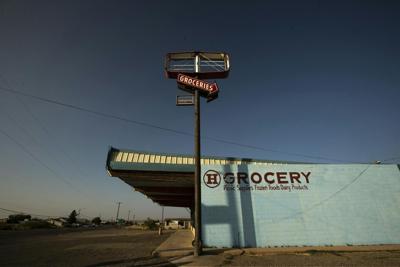
(MADISON, WISC.) When picking up groceries requires a two-hour round trip, fresh produce can become a luxury. As a food systems researcher, I see this tension firsthand: People need fresh food to be healthy, but rural regions increasingly lack access to it.
Food insecurity among rural households increased from 12% in 2019 to nearly 16% in 2024, according to the U.S. Department of Agriculture. Low income plays a part, but so too do supply chain logistics. Delivering groceries to rural areas costs distributors more, leading to higher prices and less access for rural consumers.
kAm!6C:D923=6 7@@5D – AC@5F46[ >62E 2?5 52:CJ – EC2G6= :? C67C:86C2E65 ECF4<D[ >2<:?8 E96> 2>@?8 k2 9C67lQ9EEADi^^HHH]2>D]FD52]8@G^D:E6D^5672F=E^7:=6D^>65:2^x>A24E@7#:D:?8s:6D6=!C:46D$F>>2CJ]A57QmE96 >@DE 6IA6?D:G6 AC@5F4ED E@ 5:DEC:3FE6k^2m] #FC2= C@FE6D 255 7FCE96C 4@DED] $>2== DE@C6D @C56C =6DD 2?5 C2C6=J 7:== 2 ECF4< @? E96:C @H?[ >62?:?8 5:DEC:3FE@CD 6:E96C CF? =@?8[ >F=E:\DE@A C@FE6D[ @C E96J D6?5 ECF4<D @FE 2?5 324< A2CE=J 6>AEJ] t:E96C H2J[ 56=:G6CJ 4@DED :?4C62D6]k^Am
kAmq642FD6 @7 E9:D[ >2?J ?2E:@?2= DFAA=J 492:?D 5@?’E AC:@C:E:K6 CFC2= 4@>>F?:E:6D] qFE E9:D H2D?’E 2=H2JD E96 42D6] $:?46 E96 `hf_D[ 56C68F=2E:@?[ DFAA=J 492:? AC:G2E:K2E:@? 2?5 C6DF=E:?8 4@?46?EC2E:@? 92G6 D<6H65 7@@5 5:DEC:3FE:@? 2?5 =67E CFC2= p>6C:42 369:?5]k^Am
kAm%@52J[ 2D 8C@46CJ 492:?D 8C@H =2C86C[ k2 9C67lQ9EEADi^^5@:]@C8^`_]`_gg^ahfe\e_`)^255_`4QmCFC2= 2446DD E@ AC@5F46[ >62E[ 52:CJ 2?5 AC6A2C65 7@@5Dk^2m :D 564C62D:?8] |J 4@==628F6D 2?5 x 2?2=JK65 E96 56=:G6CJ @7 A6C:D923=6 7@@5D 2?5 7@F?5 E92E ?2E:@?2= 5:DEC:3FE@CD 2C6 F?56CD6CG:?8 D6G6? DE2E6D H96? :E 4@>6D E@ C67C:86C2E65 >62E[ 52:CJ 2?5 @E96C AC6A2C65 7@@5D]k^Am
k9am#68F=2E:@?k^9am
kAmx? `hbd[ E96 k2 9C67lQ9EEADi^^5@:]@C8^`_]`_ge^adchdgQm|@E@C r2CC:6C p4Ek^2m C6BF:C65 =:46?D65 ECF4<:?8 4@>A2?:6D E@ D6CG6 DA64:7:4 C68:@?D[ D@ 42CC:6CD D6CG65 CFC2= 2?5 FC32? C@FE6D 2=:<6[ 6?DFC:?8 E92E AF3=:4=J 7:?2?465 C@25D H6C6 D6CG:?8 AF3=:4 ?665D] x? 6I492?86 7@C 2 C68:@?2= @A6C2E:?8 =:46?D6[ 4@>A2?:6D @77D6E F?AC@7:E23=6 CFC2= D6CG:46 H:E9 E96 9:89 >2C8:?D E96J >256 @? AC@7:E23=6 4:EJ\E@\4:EJ C@FE6D[ :?E68C2E:?8 CFC2= 4@>>F?:E:6D :?E@ E96:C DFAA=J 492:?D]k^Am
kAm%96 7@==@H:?8 J62C[ E96 k2 9C67lQ9EEADi^^HHH]4@?8C6DD]8@G^4CD\AC@5F4E^{$q``adfQm#@3:?D@?\!2E>2? p4Ek^2m AC@9:3:E65 H9@=6D2=6 DFAA=:6CD 7C@> 72G@C:?8 =2C86 8C@46CD H:E9 36EE6C AC:46D[ 25G6CE:D:?8 @C @E96C 6I4=FD:G6 562=D[ 5:D4@FC28:?8 C6E2:=6CD 7C@> 86EE:?8 3:886C E@ 86E 36EE6C 562=D]k^Am
kAm%@86E96C[ E96 EH@ =2HD DEC6?8E96?65 C68:@?2= 64@?@>:6D 2?5 96=5 ?2E:@?2= 5:DEC:3FE:@? :? 4964<] %9:D AC@E64E65 CFC2= 8C@46CD 7C@> 3:8 8C@46CJ 492:?D 2?5 DA=:E 5:DEC:3FE:@? 4@DED 36EH66? FC32? 2?5 CFC2= 4@>>F?:E:6D] pD 2 C6DF=E[ 2 D>2==\E@H? 8C@46C :? `hd_ 925 2446DD E@ k2 9C67lQ9EEADi^^3@@<D]8@@8=6]4@>^3@@<D^23@FE^q2C@?D]9E>=n:5lK8zyt"pp"qpyQm>F49 E96 D2>6 AC@5F4EDk^2m 2D 2 4:EJ 8C@46C :? E96 D2>6 C68:@?]k^Am
k9ams6C68F=2E:@?k^9am
kAm%9@F89 #@3:?D@?\!2E>2? :D DE:== @? E96 3@@<D[ 6?7@C46>6?E H2?65 :? E96 `hf_D 2D E96 8C@H:?8 :?7=F6?46 @7 k2 9C67lQ9EEADi^^HHH];DE@C]@C8^DE23=6^`gaf_aaQmr9:428@ $49@@= 64@?@>:DEDk^2m =65 2 D9:7E E@H2C5 56C68F=2E:@?] k2 9C67lQ9EEADi^^72C>24E:@?]FD^HA\4@?E6?E^FA=@25D^a_a`^_d^w6?5C:4<D@?\6E\2=]\a_a_]\r@?46?EC2E:@?\2?5\xED\x>A24ED0ux}p{0p556?565]A57QmvC@46CJ 4@>A2?:6D 2446=6C2E65 4@?D@=:52E:@?k^2m[ 82:?:?8 4@?EC@= @7 DFAA=J 492:?D 3J 244F>F=2E:?8 >2DD:G6 3FJ:?8 A@H6C]k^Am
kAmx? `hg_[ k2 9C67lQ9EEADi^^HHH]AC6D:56?4J]F4D3]65F^5@4F>6?ED^>@E@C\42CC:6C\24E\`hg_\DE2E6>6?E\D:8?:?8\D\aacd\:?E@\=2HQm!C6D:56?E y:>>J r2CE6C D:8?65 2 ?6H |@E@C r2CC:6C p4Ek^2m[ C6>@G:?8 E96 C6BF:C6>6?E E92E ECF4<:?8 4@>A2?:6D D6CG6 DA64:7:4 C68:@?D] ~?46 42CC:6CD 4@F=5 49@@D6 E96:C C@FE6D[ k2 9C67lQ9EEADi^^5:8:E2=4@>>@?D]5F]65F^48:^G:6H4@?E6?E]48:n2CE:4=6l`cddU2>Aj4@?E6IElE=;QmD6CG:46 E@ CFC2= C68:@?D 564=:?65k^2m[ 2D 4@>A2?:6D 3682? E@ AC:@C:E:K6 >@C6 AC@7:E23=6 FC32? C@FE6D]k^Am
kAm~G6C E:>6[ E96 5:D>2?E=:?8 2?5 ?68=64E @7 E96D6 C68F=2E@CJ 72:=\D276D ;24<65 FA CFC2= 7@@5 5:DEC:3FE:@? 4@DED 2?5 2==@H65 3:8 8C@46CD E@ 86E 6G6? 3:886C] r92:?D 82:?65 2446DD E@ H9@=6D2=6 5:D4@F?ED E92E :?56A6?56?ED 5:5?’E 92G6[ 27764E:?8 D>2==6C 8C@46CD 2?5 86?6C2E:@?D @7 CFC2= p>6C:42?D]k^Am
k7:8FC6mk:>8 2=ElQp H9:E6 D6>:\ECF4< AF==:?8 2 H9:E6 EC2:=6C 5C:G6D 5@H? 2 9:89H2J[ H:E9 9:==D :? E96 324<8C@F?5]Q DC4lQ9EEADi^^:>286D]E964@?G6CD2E:@?]4@>^7:=6D^feg_`g^@C:8:?2=^7:=6\a_ae`_ab\d_\c829`F];A8n:I=:3lC3\c]`]`U2>AjC64El_TarbeeTargdbfTarcg_aU2>AjBlcdU2>Aj2FE@l7@C>2EU2>Aj7:El4=:AU2>AjHlfc_Q ^mk7:842AE:@?m{@?8 C@FE6D H:E9 >2?J DE@AD >2<6 CFC2= 56=:G6C:6D 4@DE=J 7@C 5:DEC:3FE@CD] k2 9C67lQ9EEADi^^HHH]86EEJ:>286D]4@>^56E2:=^A9@E@^C67C:86C2E65\H9:E6\D6>:\EC2:=6C\EC2?DA@CE:?8\C@J2=EJ\7C66\:>286^`bhha`bbedQm%wt!p{|t#^tZ G:2 v6EEJ x>286D G:2 %96 r@?G6CD2E:@?k^2mk^7:842AE:@?mk^7:8FC6m
k9amx?7@C>2E:@? :D A@H6Ck^9am
kAm%96D6 EH@ A@=:4J D9:7ED H6C6 2>A=:7:65 :? E96 `hh_D 2D 492:? DE@C6D DE2CE65 E@ FD6 k2 9C67lQ9EEADi^^HHH]C@3\>44F==@49]@C8^D@>60A2A6CD02?50E2=<D^A2A6CD^AF3=:D965^E2C86E]A57QmA@:?E\@7\D2=6 52E2k^2m =:<6 4964<@FE 2?5 =@J2=EJ\AC@8C2> C64@C5D] {2C86 4@>A2?:6D 925 E96 C6D@FC46D E@ 4@==64E 52E2 @? AFC492D:?8 AC676C6?46D @G6C H9@=6 86@8C2A9:4 C68:@?D[ H9:=6 =@42= 3FD:?6DD6D 5:5 ?@E] r92:?D 3682? E@ FD6 k2 9C67lQ9EEADi^^HHH]7@@5DJDE6>D;@FC?2=]@C8^:?56I]A9A^7D;^2CE:4=6^G:6H^`_c_Qm62C=J 7@C>D @7 2CE:7:4:2= :?E6==:86?46k^2m E@ 7:?5 A2EE6C?D :? 3:8 52E2D6ED[ 8:G:?8 3:886C 4@>A2?:6D J6E 2?@E96C 4@>A6E:E:G6 25G2?E286 @G6C D>2== @?6D]k^Am
kAmpD px\A@H6C65 52E2 3642>6 >@C6 D@A9:DE:42E65[ 3FD:?6DD6D H:E9 E96 >62?D 25@AE65 k2 9C67lQ9EEADi^^HHH]2?E:ECFDE:?DE:EFE6]@C8^H@C<\AC@5F4E^22:\:DDF6D\C6A@CE\>2C<6E\A@H6C\2?5\5:8:E2=\3FD:?6DD\64@DJDE6>D\2DD6DD:?8\E96\:>A24E\@7\64@?@>:4\2?5\3FD:?6DD\4@>A=6I:EJ\@?\4@>A6E:E:@?\2?2=JD:D\2?5\C6>65:6D^Qm?6H E649?@=@8Jk^2m E@ :>AC@G6 ECF4<:?8 =@8:DE:4D E92E @AE:>:K6 7@C 9:89\56?D:EJ[ 9:89\>2C8:? FC32? 4@CC:5@CD] %9:D 92D AFD965 :?56A6?56?E 8C@46CD 7FCE96C E@ E96 >2C8:?D]k^Am
k9am|2AA:?8 E96 82ADk^9am
kAm|J 4@==628F6D 2?5 x FD6 &$sp 2?5 s6A2CE>6?E @7 %C2?DA@CE2E:@? 52E232D6D 2?5 px >@56=D E@ 6IA=@C6 CFC2= 7@@5 2446DD] (6 7@F?5 E92E k2 9C67lQ9EEADi^^5@:]@C8^`_]`_gg^ahfe\e_`)^255_`4Qm?2E:@?2= 5:DEC:3FE@CD 2C6 F?56CD6CG:?8k^2m (6DE ':C8:?:2[ pC:K@?2[ %6I2D[ |:49:82?[ }@CE9 s2<@E2[ $@FE9 s2<@E2 2?5 |@?E2?2 H96? :E 4@>6D E@ C67C:86C2E65 >62E[ 52:CJ 2?5 @E96C AC6A2C65 7@@5D]k^Am
kAmk2 9C67lQ9EEADi^^HHH]2>D]FD52]8@G^D:E6D^5672F=E^7:=6D^>65:2^%C2?DA@CE2E:@?xDDF6Dp7764E:?8x?56A6?56?EvC@46CD$F>>2CJ]A57Qm%@ EC246 AC@5F46k^2m :? A2CE:4F=2C[ H6 7@4FD65 @? (:D4@?D:?[ FD:?8 AC@AC:6E2CJ k2 9C67lQ9EEADi^^HHH]DA8=@32=]4@>^>2C<6E\:?E6==:86?46^6?^D@=FE:@?D^AC@5F4ED^EC2?D62C49\7C6:89E\EC2?DA@CE2E:@?\C6D62C49Qm52E2 7C@> %C2?D62C49k^2m[ 2 E@@= E92E EC2?DA@CE2E:@? A=2??6CD FD6 E@ EC24< :?E6CDE2E6 4@>>6C46] x? >@DE (:D4@?D:? 4@F?E:6D[ ?2E:@?2= 5:DEC:3FE@CD 56=:G6C65 =6DD E92? h]a A@F?5D Wc]a <:=@8C2>DX @7 =627J 8C66?D A6C A6CD@? 2??F2==J[ @C =6DD E92? 2 E9:C5 @7 E96 b_ E@ bd A@F?5D W`c E@ `e <:=@8C2>DX @7 =627J 8C66?D 2 EJA:42= p>6C:42? 62ED :? 2 J62C] qJ 4@?EC2DE[ FC32? 4@F?E:6D 2C@F?5 |:=H2F<66 2?5 |25:D@? C646:G65 `h E@ bf A@F?5D Wh E@ `f <:=@8C2>DX A6C A6CD@? 2??F2==J]k^Am
kAmx?E6CG:6HD H:E9 8C@46CD[ 5:DEC:3FE@CD 2?5 7@@5 A2?ECJ G@=F?E66CD 24C@DD `b ?@CE96C? (:D4@?D:? 4@F?E:6D 96=A65 :==FDEC2E6 H9J]k^Am
kAmu656C2= D276EJ CF=6D 42A ECF4<6CD 2E `` 9@FCD 369:?5 E96 H966=[ D@ 2 5:DE2?E 56=:G6CJ >:89E 7:E :? 2 D9:7E @?=J :7 E96 ECF4< 92D @?6 DE@A E@ >2<6] “qFE E@ 36 AC@7:E23=6[ H6 ?665 >F=E:A=6 DE@AD @? E96 ECF4<[” @?6 5:DEC:3FE@C D2:5] “%92E’D H9J 2 =@E @7 E9@D6 C62==J 72C\@FE DE@C6D[ H6’C6 ?@E C62==J :?E6C6DE65 :?]”k^Am
kAm(@C<:?8 E@ 7:== E9:D 82A[ k2 9C67lQ9EEADi^^5@:]@C8^`_]````^2;26]`a`b`Qm:?56A6?56?E C6E2:=6CDk^2m @A6C2E6 >@C6 E92? 92=7 @7 CFC2= 8C@46CJ DE@C6D[ AC@G:5:?8 bgT @7 7@@5 D2=6D] %@ 2==6G:2E6 E96 DFAA=J 492:? 4@DE 3FC56?[ D@>6 CFC2= 8C@46CD 92G6 ;@:?65 @C 7@C>65 5:DEC:3FE:@? 4@\@AD E96J @H? 2?5 8@G6C?]k^Am
kAmqFE 4@\@AD 2=@?6 H@?’E 7:I E96 F?56C=J:?8 AC@3=6>]k^Am
kAm~?6 8C@46C E@=5 @FC E62> E92E EH@ 4@@A6C2E:G6 5:DEC:3FE@CD – H9:49 925 D6CG65 D>2==6C[ :?56A6?56?E 8C@46CD – >6C865 2?5 H6C6 3@F89E @FE 3J 2 AC:G2E6 6BF:EJ 7:C>] tG6?EF2==J[ zC@86C – @?6 @7 E96 4@F?ECJ’D =2C86DE :?E68C2E65 8C@46CJ 492:?D – k2 9C67lQ9EEADi^^:C]<C@86C]4@>^?6HD^?6HD\56E2:=D^a_`d^zC@86C\2?5\#@F?5JD\p??@F?46\s67:?:E:G6\|6C86C\p8C66>6?E^5672F=E]2DAIQm3@F89E E96 5:DEC:3FE:@? ?6EH@C<k^2m 2?5 DE@AA65 DFAA=J:?8 :?56A6?56?E DE@C6D[ D6CG:?8 @?=J E9@D6 :E @H?65] xE 2=D@ 7@4FD65 @? k2 9C67lQ9EEADi^^>2DD>2C<6EC6E2:=6CD]4@>^<C@86C\E@\@A6?\``_\DE@C6D\563FE\E9C66\?6H\7@C>2ED\7@4FD65\@?\7C6D9\2?5\6\4@>>6C46^Qm>@C6 AC@7:E23=6 FC32? =@42E:@?Dk^2m[ @A6?:?8 ?6H DE@C6D :? 9:89\8C@HE9 >2C<6ED]k^Am
kAmk2 9C67lQ9EEADi^^HHH];F5:4:2CJ]D6?2E6]8@G^:>@^>65:2^5@4^$>:E9Ta_\Ta_%6DE:>@?J]A57Qm%9:D C65F465 4@>A6E:E:@?k^2m :? CFC2= 7@@5 5:DEC:3FE:@?]k^Am
k9am#6G:G:?8 6?7@C46>6?Ek^9am
kAmsFC:?8 E96 q:56? 25>:?:DEC2E:@?[ E96 u656C2= %C256 r@>>:DD:@? k2 9C67lQ9EEADi^^3FD:?6DD=2HE@52J]@C8^a_ae^_c^C@3:?D@?\A2E>2?\24E\>2<6D\4@>6324<^QmC6G:G65 6?7@C46>6?Ek^2m @7 E96 =@?8\5@C>2?E `hbe #@3:?D@?\!2E>2? p4E 2?5 @E96C 2?E:ECFDE =2HD >62?E E@ AC@E64E :?56A6?56?E 3FD:?6DD6D 7C@> 2 76H 3:8 4@>A2?:6D 4@?EC@==:?8 E96 >2C<6E]k^Am
kAm%96 u%r DF65 E@ 3=@4< 2 >6C86C k2 9C67lQ9EEADi^^E964@?G6CD2E:@?]4@>^H92ED\?6IE\7@C\2=36CED@?D\27E6C\42==:?8\@77\:ED\ad3\8C@46CJ\>6C86C\H:E9\<C@86C\>@C6\=2HDF:ED\acdgabQm36EH66? zC@86C 2?5 p=36CED@?D[ EH@ @7 E96 4@F?ECJ’D =2C86DE 8C@46CJ 492:?Dk^2m] xE 2=D@ DF65 5:DEC:3FE@C $@FE96C? v=2K6C’D 7@C 2==6865=J 8:G:?8 566A 5:D4@F?ED E@ ?2E:@?2= 492:? DE@C6D[ :?4=F5:?8 zC@86C[ 2?5 !6AD:r@ 7@C 2==6865=J 8:G:?8 2 =2C86 C6E2:=6C 562=D E92E D>2==6C @?6D 5:5?’E 86E]k^Am
kAmx? |2J a_ad[ F?56C E96 %CF>A 25>:?:DEC2E:@?[ E96 u%r 5C@AA65 E96 !6AD:r@ 42D6[ k2 9C67lQ9EEADi^^HHH]7E4]8@G^?6HD\6G6?ED^?6HD^AC6DD\C6=62D6D^a_ad^_d^7E4\5:D>:DD6D\=2HDF:E\282:?DE\A6AD:4@Qm4:E:?8 A2CE:D2?D9:Ak^2m] qFE :? ~4E@36C a_ae[ :E k2 9C67lQ9EEADi^^HHH]7E4]8@G^?6HD\6G6?ED^?6HD^AC6DD\C6=62D6D^a_ae^`_^7E4\D64FC6D\D6EE=6>6?E\AC@E64ED\D>2==\3FD:?6DD6D\:==682=\AC:46\5:D4C:>:?2E:@?QmD6EE=65 :ED 42D6k^2m 282:?DE $@FE96C? v=2K6C’D :? 2 562= E96 286?4J D2:5 H@F=5 >2<6 :E 62D:6C 7@C D>2== 3FD:?6DD6D E@ 4@>A6E6 H:E9 =2C86 492:?D]k^Am
kAmx? >J 2DD6DD>6?E[ 6?7@C4:?8 #@3:?D@?\!2E>2? 2?5 @E96C =2HD H@F=5 5:D4@FC286 5:D4C:>:?2E@CJ AC:4:?8 E92E 8:G6D 492:?D 2? 25G2?E286 @G6C D>2==6C CFC2= DE@C6D]k^Am
kAm%2<:?8 2 7C6D9 =@@< 2E k2 9C67lQ9EEADi^^HHH]2>D]FD52]8@G^D:E6D^5672F=E^7:=6D^>65:2^|@G:?8u@@5p=@?8'2=F6r92:?]A57Qm7@@5 5:DEC:3FE:@? A@=:4:6Dk^2m – =:<6 E96 |@E@C r2CC:6C p4E 2?5 AF3=:4 FE:=:EJ A@=:4:6D – 4@F=5 2=D@ =6G6= E96 A=2J:?8 7:6=5] u@C 6I2>A=6[ :?4=F5:?8 CFC2= 56=:G6CJ 2D 2 =:46?D:?8 C6BF:C6>6?E 282:? 4@F=5 :>AC@G6 CFC2= 7@@5 2446DD]k^Am
k9am(92E ?@Hnk^9am
kAmx? a_ad[ E96 %CF>A 25>:?:DEC2E:@? 2??@F?465 E92E :E H@F=5 ?@ =@?86C 4@==64E k2 9C67lQ9EEADi^^HHH]C6FE6CD]4@>^H@C=5^FD^ECF>A\25>:?:DEC2E:@?\42?46=D\FD52D\2??F2=\7@@5\:?D64FC:EJ\DFCG6J\HD;\C6A@CED\a_ad\_h\a_^Qm7@@5 D64FC:EJ 52E2k^2m[ H:E9@FE H9:49 7@@5 DJDE6>D C6D62C496CD H:== DECF88=6 E@ <?@H H96E96C 4@?5:E:@?D :? CFC2= p>6C:42 :>AC@G65 @C H@CD6?65 :? a_ae] |62?H9:=6[ k2 9C67lQ9EEADi^^5@:]@C8^`_]db_c^;27D45]a_a`]```]_`fQmAF3=:4 7F?5:?8k^2m E@ >@?:E@C 7@@5 DJDE6>D 4@?E:?F6D :ED 564=:?6]k^Am
kAm%9@F89 CFC2= 5:DEC:3FE:@? C6>2:?D 2 k2 9C67lQ9EEADi^^5@:]@C8^`_]`__f^hfg\b\_b_\cgafh\c0`dQm492==6?86 8=@32==Jk^2m[ @E96C 4@F?EC:6D 2C6 >2<:?8 :?C@25Di x? yF?6 a_ae[ r2?252 2??@F?465 2 `_\J62C k2 9C67lQ9EEADi^^28C:4F=EFC6]42?252]42^6?^56A2CE>6?E^:?:E:2E:G6D^?2E:@?2=\7@@5\D64FC:EJ\DEC2E68JQm7@@5 D64FC:EJ DEC2E68Jk^2m H@CE9 b]a 3:==:@? r2?25:2? 5@==2CD[ :?4=F5:?8 2:5 E@ :?56A6?56?E 8C@46CD[ C67C:86C2E65 H2C69@FD6D 2?5 @A6? H9@=6D2=6 >2C<6EA=246D H96C6 72C>6CD 42? D6== E96:C AC@5F46]k^Am
kAm{2C86 C68:@?D @7 E96 &]$] H@F=5 36?67:E 7C@> E96 D2>6]k^Am
kAmk6>m%9:D 2CE:4=6 :D C6AF3=:D965 7C@> k2 9C67lQ9EEAi^^E964@?G6CD2E:@?]4@>^FDnFE>0D@FC46l{66U2>AjFE>0>65:F>lC6=2E65\=:?<U2>AjFE>042>A2:8?lC6=2E65\=:?<\_U2>AjFE>04@?E6?El2CE:4=6\ah_`acQm%96 r@?G6CD2E:@?k^2m[ 2 ?@?AC@7:E[ :?56A6?56?E ?6HD @C82?:K2E:@? 3C:?8:?8 J@F 724ED 2?5 ECFDEH@CE9J 2?2=JD:D E@ 96=A J@F >2<6 D6?D6 @7 @FC 4@>A=6I H@C=5] xE H2D HC:EE6? 3Ji kDA2?mk2 9C67lQ9EEADi^^E964@?G6CD2E:@?]4@>^AC@7:=6D^>:496==6\>:==6C\bhdddfnFE>0D@FC46l{66U2>AjFE>0>65:F>lC6=2E65\=:?<U2>AjFE>042>A2:8?l3J=:?6\=:?<U2>AjFE>04@?E6?El2CE:4=6\ah_`acQm|:496==6 |:==6Ck^2m[ k6>mk2 9C67lQ9EEADi^^E964@?G6CD2E:@?]4@>^:?DE:EFE:@?D^F?:G6CD:EJ\@7\H:D4@?D:?\>25:D@?\hbhnFE>0D@FC46l{66U2>AjFE>0>65:F>lC6=2E65\=:?<U2>AjFE>042>A2:8?l3J=:?6\=:?<U2>AjFE>04@?E6?El2CE:4=6\ah_`acQm&?:G6CD:EJ @7 (:D4@?D:?\|25:D@?k^2mk^6>mk^DA2?mk^6>mk^Am
kAmkDEC@?8m#625 >@C6ik^DEC@?8mk^Am
kF=mk=:mk2 9C67lQ9EEAi^^E964@?G6CD2E:@?]4@>^ECF>A\D4C2AD\E96\?2E:@?D\>@DE\4@>AC696?D:G6\7@@5\:?D64FC:EJ\C6A@CE\>2<:?8\:E\92C56C\E@\<?@H\9@H\>2?J\2>6C:42?D\DECF88=6\E@\86E\6?@F89\7@@5\aee__enFE>0D@FC46l{66U2>AjFE>0>65:F>lC6=2E65\=:?<U2>AjFE>042>A2:8?lC6=2E65\=:?<_U2>AjFE>04@?E6?El2CE:4=6\ah_`acQm%CF>A D4C2AD E96 ?2E:@?’D >@DE 4@>AC696?D:G6 7@@5 :?D64FC:EJ C6A@CE − >2<:?8 :E 92C56C E@ <?@H 9@H >2?J p>6C:42?D DECF88=6 E@ 86E 6?@F89 7@@5k^2mk^=:mk=:mk2 9C67lQ9EEAi^^E964@?G6CD2E:@?]4@>^H92ED\?6IE\7@C\2=36CED@?D\27E6C\42==:?8\@77\:ED\ad3\8C@46CJ\>6C86C\H:E9\<C@86C\>@C6\=2HDF:ED\acdgabnFE>0D@FC46l{66U2>AjFE>0>65:F>lC6=2E65\=:?<U2>AjFE>042>A2:8?lC6=2E65\=:?<`U2>AjFE>04@?E6?El2CE:4=6\ah_`acQm(92E’D ?6IE 7@C p=36CED@?D 27E6C 42==:?8 @77 :ED q 8C@46CJ >6C86C H:E9 zC@86Ci |@C6 =2HDF:EDk^2mk^=:mk=:mk2 9C67lQ9EEAi^^E964@?G6CD2E:@?]4@>^72C>6CD\>2C<6ED\2C6\8C@H:?8\E96:C\C@=6\2D\6DD6?E:2=\D@FC46D\@7\962=E9J\7@@5\7@C\C:49\2?5\A@@C\`df__hnFE>0D@FC46l{66U2>AjFE>0>65:F>lC6=2E65\=:?<U2>AjFE>042>A2:8?lC6=2E65\=:?<aU2>AjFE>04@?E6?El2CE:4=6\ah_`acQmu2C>6CD >2C<6ED 2C6 8C@H:?8 E96:C C@=6 2D 6DD6?E:2= D@FC46D @7 962=E9J 7@@5 7@C C:49 2?5 A@@Ck^2mk^=:mk^F=m
kA 4=2DDlQ7:?6\AC:?EQmk6>mkDA2?m|:496==6 |:==6C C646:G6D 7F?5:?8 7C@> E96 &?:E65 $E2E6D s6A2CE>6?E @7 p8C:4F=EFC6[ 2?5 E96 $E2E6 @7 (:D4@?D:?] $96 :D 277:=:2E65 H:E9 (:D4@?D:? u2C>6CD &?:@? 2?5 (2C69@FD6D c v@@5]k^DA2?mk^6>mk^Am
kAmk:>8 DC4lQ9EEADi^^4@F?E6C]E964@?G6CD2E:@?]4@>^4@?E6?E^ah_`ac^4@F?E]8:7n5:DEC:3FE@Cl=66Q DEJ=6lQ96:89Ei`AIjH:5E9i`AIjQ 2=ElQQ ^mk^Am


(0) comments
Welcome to the discussion.
Log In
Keep it Clean. Please avoid obscene, vulgar, lewd, racist or sexually-oriented language.
PLEASE TURN OFF YOUR CAPS LOCK.
Don't Threaten. Threats of harming another person will not be tolerated.
Be Truthful. Don't knowingly lie about anyone or anything.
Be Nice. No racism, sexism or any sort of -ism that is degrading to another person.
Be Proactive. Use the 'Report' link on each comment to let us know of abusive posts.
Share with Us. We'd love to hear eyewitness accounts, the history behind an article.