

The birds, which are partial to munching on the insects, have been seen woozy and staggering around particularly in coastal towns.
From
To

Experts have accepted an estimate of around six million living insect species, an appraisal that has stood for the last 40 years.

Fly anglers experience certain anticipatory events over the course of a fishing season. Ice out. Hendrickson hatch. Mirus hatch. Alder flies. …

By Stephen Beech Day-old caterpillars one-twentieth the size of a grain of rice can recognize the footsteps of predatory ladybugs, reveals new research. Warty birch caterpillars, less than 1.5 millimeters (0.06 inches) long, defend their leaf tip homes from invading caterpillars by scraping and pounding the leaf to warn off potential invaders. But scientists were […]
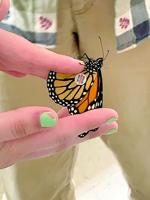
LOVELL — For three years, the Greater Lovell Land Trust (GLLT) has participated in the annual Monarch Watch tagging program. This internationa…

Scientists named it Attenboroughnculus tau as a birthday present for TV naturalist who turns 100 on Friday, May 8.

Scientists say the pollinators' ability to find their way back home is vital to the survival of the entire colony.
The New Hampshire Senate Committee on Energy and Natural Resources heard two ideas to address shrinking insect populations in New Hampshire during a Tuesday hearing. One measure, House Bill 1431, would direct the state Pesticide Control Board to reclassify a group of pesticides that is particularly harmful to pollinators and wildlife as restricted use, meaning […]
HARRISON — According to the USDA, three-fourths of the world’s flowering plants and about 35 percent of the world’s food crops depend on anima…