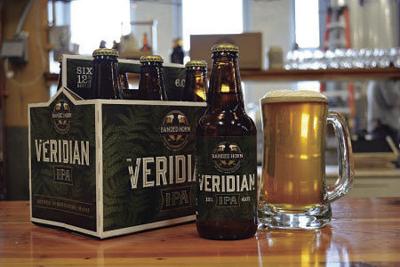
This week, we'll launch a series of articles celebrating IPA and exploring the different permutations of this formidable style. IPA stands for “India Pale Ale,” and, in the world of complex beer names this one is as straightforward as they come. Legend has it, the British found colonizing India hot and thirsty work. They summoned a grand quantity of ale, which arrived spoiled and undrinkable after a scorching multi-month journey in the humid stores of a ship. True to the tastes of the time, the spoiled beer was likely a moderately hopped, low-alcohol “ordinary ale,” ill-suited to travel anywhere outside the confines of a cool pub cellar. Nothing ruins a good game of Cricket faster than a skunky pint — so beer was brewed with a higher-than-average ABV, and an extravagant quantity of flavorful (and, not coincidentally, antimicrobial) hops. Not only did the formula work, the result was so tasty that it created a new style.
Using extravagant quantities of brash American hops like Cascade and Challenger (rather than the relatively sedate English Fuggles that likely powered the first IPA), amping up the alcohol content and defining new and varied sub-genres like Double IPA, Single Hopped IPA, Black IPA, White IPA and Session IPA, American craft brewers have taken IPA to the next level, and made this style their own.