

Plesiosaurs headed up river deltas 160 million years ago to throw up indigestible parts of their marine meals, suggests a new study.
From
To

Until now, all confirmed Diplodocus specimens had come exclusively from the Morrison Formation in the western United States.

Researchers have found clues that help explain why birds are the only group of dinosaurs that survived extinction.

The fossil, known as Charnia, looks more like a fern than anything we would recognize as an animal today.

A trackway in northern Kenya preserves a "snapshot" of how individuals of an ancient hominin species interacted with one another.

Scientists say the "unique" fossil find shows they were in fact blooming 10 million years before dinosaurs were wiped out.
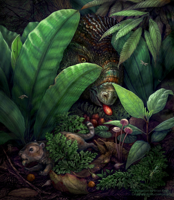
The "unique" fossil find shows they were in fact blooming 10 million years before dinosaurs were wiped out.
BERLIN — Stop by the Berlin Public Library to get a 2026 Summer Reading Program registration packet. Thursdays are event days – be sure to che…

Scientists say the hunters even used one of the rib bones as a cutting board.
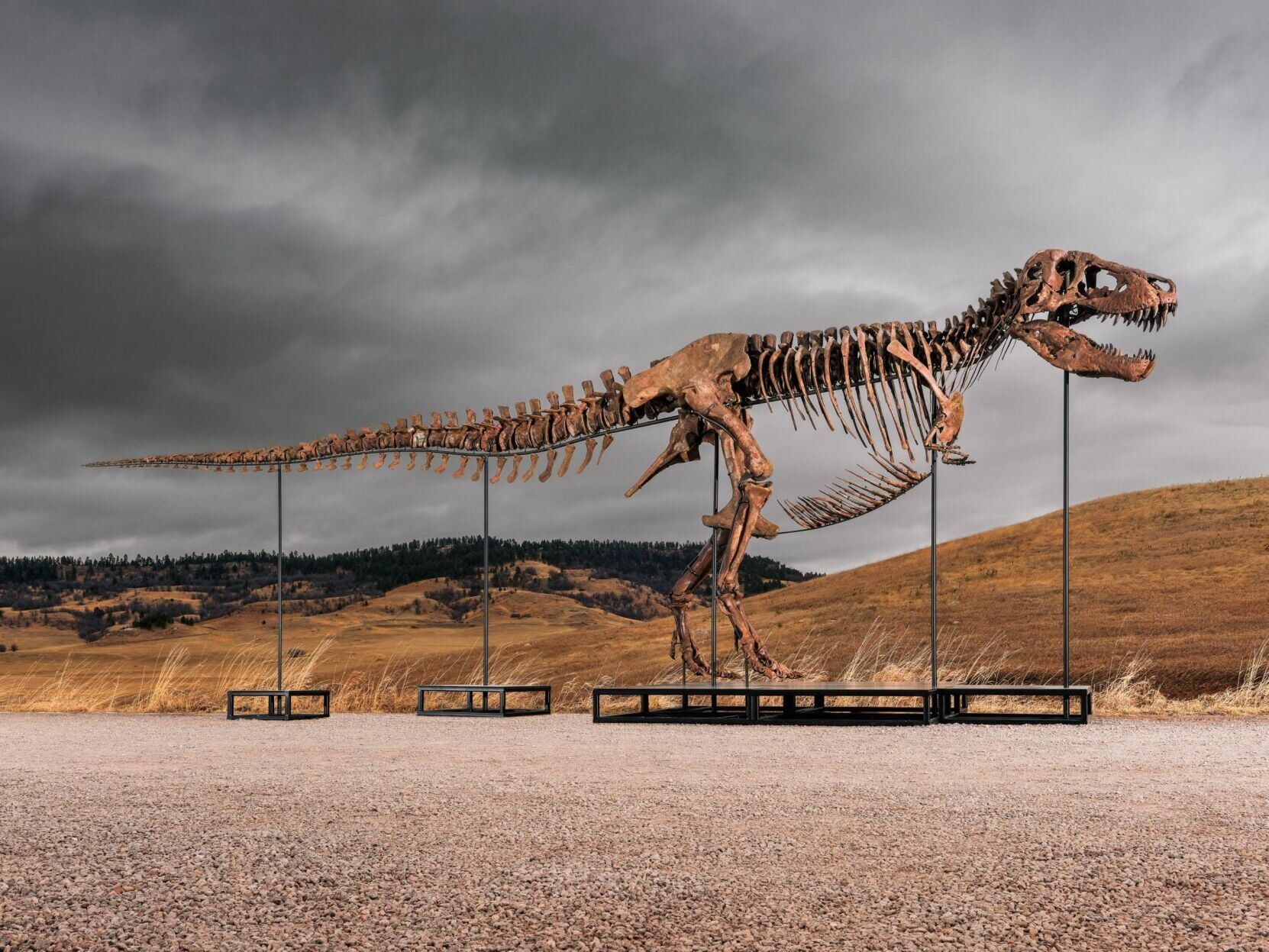
The giant fossil was excavated between 2021 and 2023 in Harding County, South Dakota.