The destructive 1982-83 El Niño, then the strongest on record, eroded cliffs, leaving homes hanging precariously over the edges. A coastal scientist explains the escalating risks.
The destructive 1982-83 El Niño, then the strongest on record, eroded cliffs, leaving homes hanging precariously over the edges. A coastal scientist explains the escalating risks.

Tropical storms rarely survive in the cool water off California, but waves from storms far to the south can still damaged coastal areas. And flooding rain can sweep in.

Storms big and small can produce a lot of rain. What matters most is how fast they’re moving, as an atmospheric scientist and educator explains.
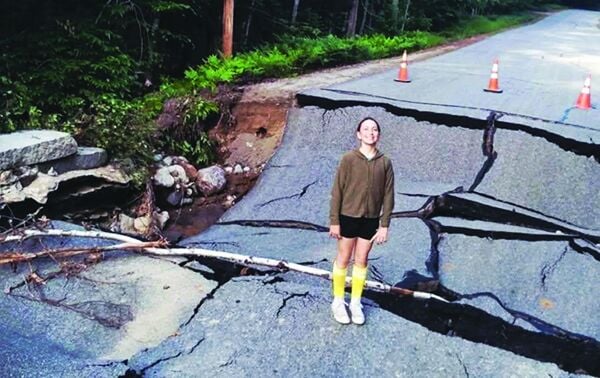
MADISON — Madison and other Carroll County communities affected by June flooding can now seek federal reimbursement for emergency work and rep…

Several factors make for high water levels, and they conspired to worsen the storm surge that flooded coastal areas from North Carolina to New York.

CONWAY – Due to concerns about the late-September nor'easter that was predicted to be hitting the region this weekend, the scheduled 54th annu…
The Hurricane Hunters are specialist aircrews that fly into tropical cyclones to collect vital measurements.
Only Hurricane Patricia, in 2015, was stronger, with a central pressure of 872 millibars and maximum sustained winds of 215 mph.

Storms like 2026’s Hurricane Polo that rapidly intensify can catch communities off guard and leave little time to prepare or evacuate. Being able to forecast those risks can save lives.

Aging levees and dams are only the beginning of the risks communities face. One of the biggest challenges is helping people manage the heat and storms.
Get up-to-the-minute news sent straight to your device.