

The selfie was captured on March 11, the 1,797th day of the rover's mission.
From
To
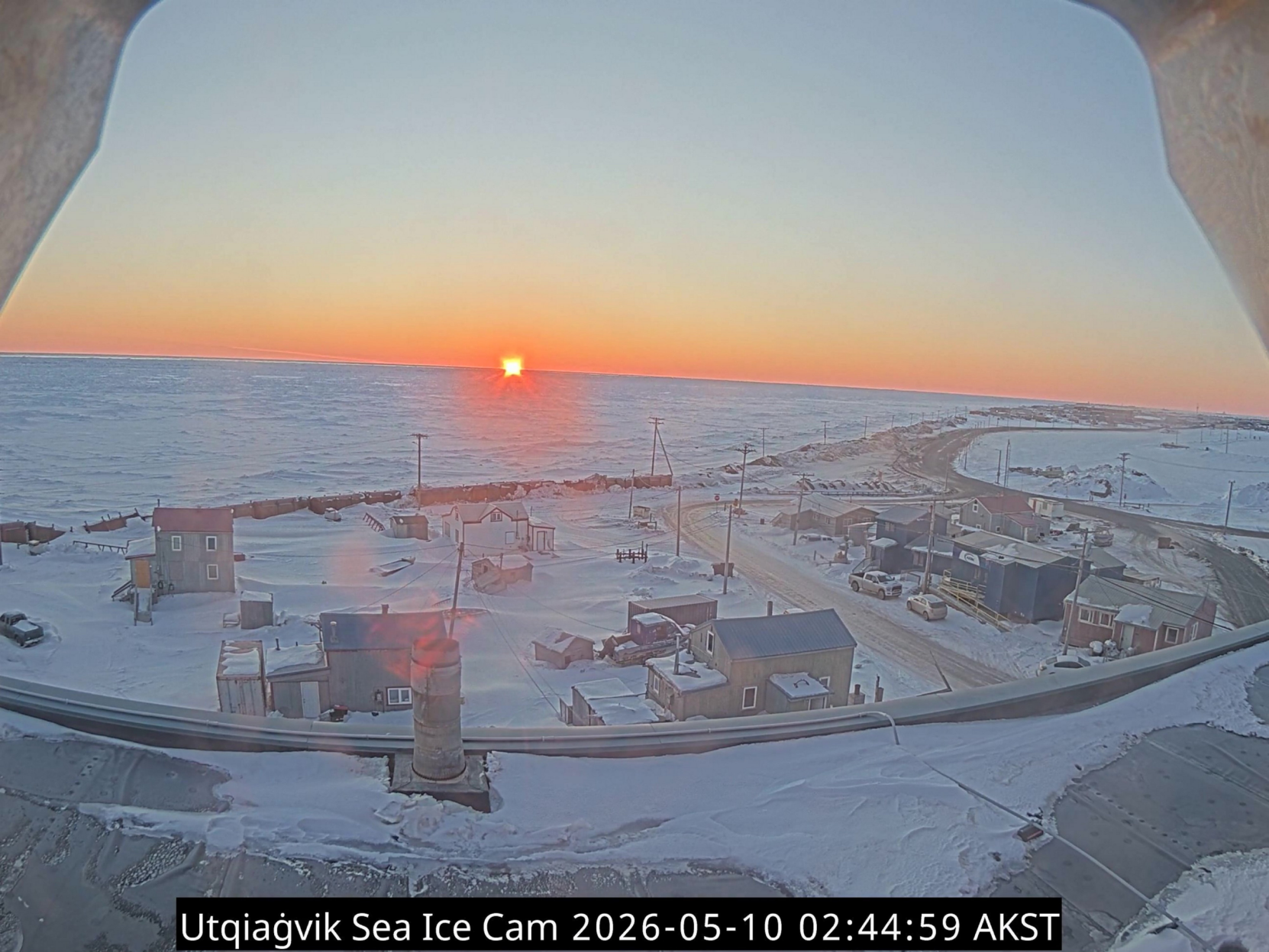
The Arctic summer in Utqiagvik, Alaska, lasts 84 days.

The joint NASA/ESA mission searches for planets in outer space, potentially looking for a world like Earth.

It is located 45 million light-years away in the constellation Cetus, known as the Whale.

It took a week of waving the arm on which the drill was mounted for the rogue rock to finally drop back to the Martian surface.
Cynthy Wu, Ruby Cruz, and Mireille Enos break down key moments in the episode.
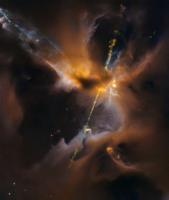
The Hubble Space Telescope captured a pair of “cosmic lightsabers” on Star Wars Day.

The newly released shots include spectacular views of Earth rising over the lunar horizon.

The astronauts went on a 10-day journey around the Moon and back to Earth in April.

The project began when a geologist friend told her she could buy a piece of lunar meteorite Bechar 003, which she did.